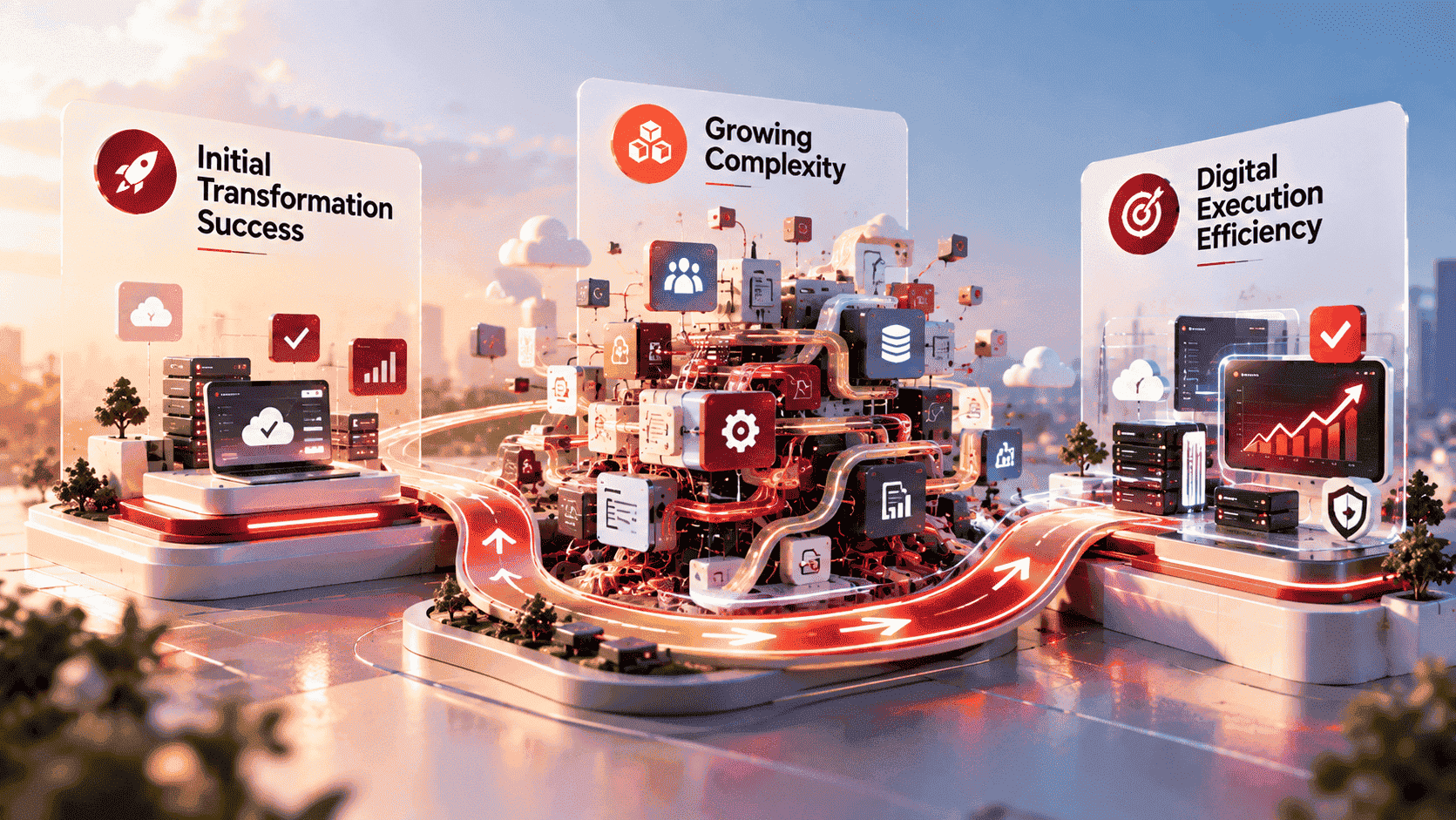












Measuring technology ROI has become increasingly complex as organizations expand digital initiatives beyond infrastructure and cost optimization. In many cases, ROI is still evaluated through a narrow lens, focusing primarily on cost reduction, license optimization, or infrastructure savings.
While these metrics remain relevant, they do not capture the full value of technology investments. Modern organizations rely on technology not only to reduce costs but also to enable growth, improve decision making, strengthen resilience, and create competitive advantage.
When ROI is measured purely through financial savings, organizations risk overlooking the broader business impact of their technology initiatives. As a result, high value initiatives may be underfunded, while others are evaluated without a clear understanding of their long term contribution.
A more comprehensive approach to technology ROI measurement is required to ensure that investments are aligned with business outcomes and deliver sustainable value.

Why Traditional ROI Models Fail to Capture True Value
Traditional cost based ROI models often fail to reflect the full impact of digital transformation initiatives. These models tend to prioritize short term financial returns while overlooking broader operational and strategic outcomes.
Organizations frequently miss value in areas such as:
improved speed to market for products and services
enhanced customer and employee experience
reduced operational and security risk
increased productivity and collaboration
stronger data driven decision making
Without capturing these dimensions, organizations may misjudge the effectiveness of their investments and make suboptimal decisions about future initiatives.
The connection between planning and measurable outcomes is explored in Building a Technology Roadmap, where organizations define how technology initiatives translate into long term value.
Expanding the Definition of Technology ROI
Modern approaches to measuring technology ROI focus on outcomes that extend beyond direct financial returns. A well structured IT ROI framework evaluates value across multiple dimensions to provide a more accurate view of impact.
1. Financial Impact
Financial return remains an important component of ROI, but it should extend beyond immediate cost savings.
Organizations should consider:
revenue enablement through faster product or service delivery
cost avoidance from reduced incidents and downtime
improved cost efficiency through better governance and visibility
Financial impact should be evaluated over time to reflect both short term and long term value creation.
2. Operational Performance
Technology investments often drive operational improvements that are not always immediately visible in financial metrics but have significant impact on performance.
Key indicators include:
faster delivery cycles and reduced time to market
improved system reliability and availability
reduction of manual processes through automation
stronger collaboration across teams and functions
Operational improvements become more valuable as organizations scale their digital capabilities.
3. Risk Reduction and Resilience
Risk reduction is a critical component of digital transformation ROI, even though it is often difficult to quantify directly.
Technology investments can reduce:
exposure to security and compliance risks
likelihood of business disruption due to system failures
dependency on legacy systems that limit scalability
By strengthening resilience, organizations protect long term business value and ensure continuity.
4. Strategic Enablement
Some of the most important outcomes of technology investments are strategic in nature and position organizations for future growth.
These include:
enabling data driven decision making across the organization
supporting scalability for future business expansion
building foundations for AI and advanced analytics
increasing organizational agility in responding to change
Strategic value ensures that technology investments continue to generate impact beyond immediate returns.
The importance of structured value measurement is further explained in Technology Value Framework for Clear and Measurable ROI, where organizations define how to consistently evaluate technology impact.
Linking ROI Measurement to Strategy and Execution
Effective technology value measurement must be directly connected to organizational strategy. Without this alignment, ROI metrics become disconnected from business priorities and fail to guide decision making.
High performing organizations typically:
link ROI metrics to strategic business objectives
define expected outcomes during roadmap planning
continuously evaluate ROI throughout execution
This approach ensures that technology investments remain relevant and aligned with evolving business needs.
Common Challenges in Measuring Technology ROI
Organizations often struggle to measure ROI effectively due to structural and operational challenges.
Common issues include:
overemphasis on short term financial outcomes
measuring technology performance in isolation from business impact
lack of baseline metrics before implementation
unclear ownership of value realization
Addressing these challenges requires a shift toward outcome driven measurement and clear accountability across teams.
From Measurement to Value Realization
Measuring ROI is only the first step. Organizations must also focus on realizing the value generated by their technology investments.
Effective value realization requires:
clear ownership of outcomes across teams
continuous monitoring and performance tracking
willingness to adjust initiatives based on results
When ROI is treated as an ongoing process rather than a one time calculation, organizations are better able to sustain long term impact from their investments.
👉 Read More
Transformation Performance Management for Enterprise Digital Initiatives
Key Takeaways
A comprehensive approach to measuring technology ROI goes beyond cost savings and focuses on financial impact, operational performance, risk reduction, and strategic enablement. By expanding how ROI is defined and measured, organizations can make better investment decisions and ensure that technology initiatives deliver meaningful business value.
Organizations that align ROI measurement with strategy, execution, and continuous value realization are better positioned to maximize the impact of their digital transformation efforts.
Frequently Asked Questions
What is technology ROI
Technology ROI refers to the measurement of value generated from technology investments, including financial returns, operational improvements, risk reduction, and strategic impact.
Why is measuring technology ROI beyond cost savings important
Measuring ROI beyond cost savings allows organizations to capture the full business impact of technology, including growth enablement, improved decision making, and long term resilience.
How can organizations improve technology ROI measurement
Organizations can improve ROI measurement by aligning metrics with business strategy, tracking outcomes continuously, and focusing on value realization rather than short term financial gains.
Maximize the Value of Your Technology Investments
A strong approach to technology ROI measurement enables organizations to understand the full impact of their investments and make better strategic decisions. GSCatalyst helps enterprises define outcome driven metrics, align ROI with strategy, and embed value realization into execution.