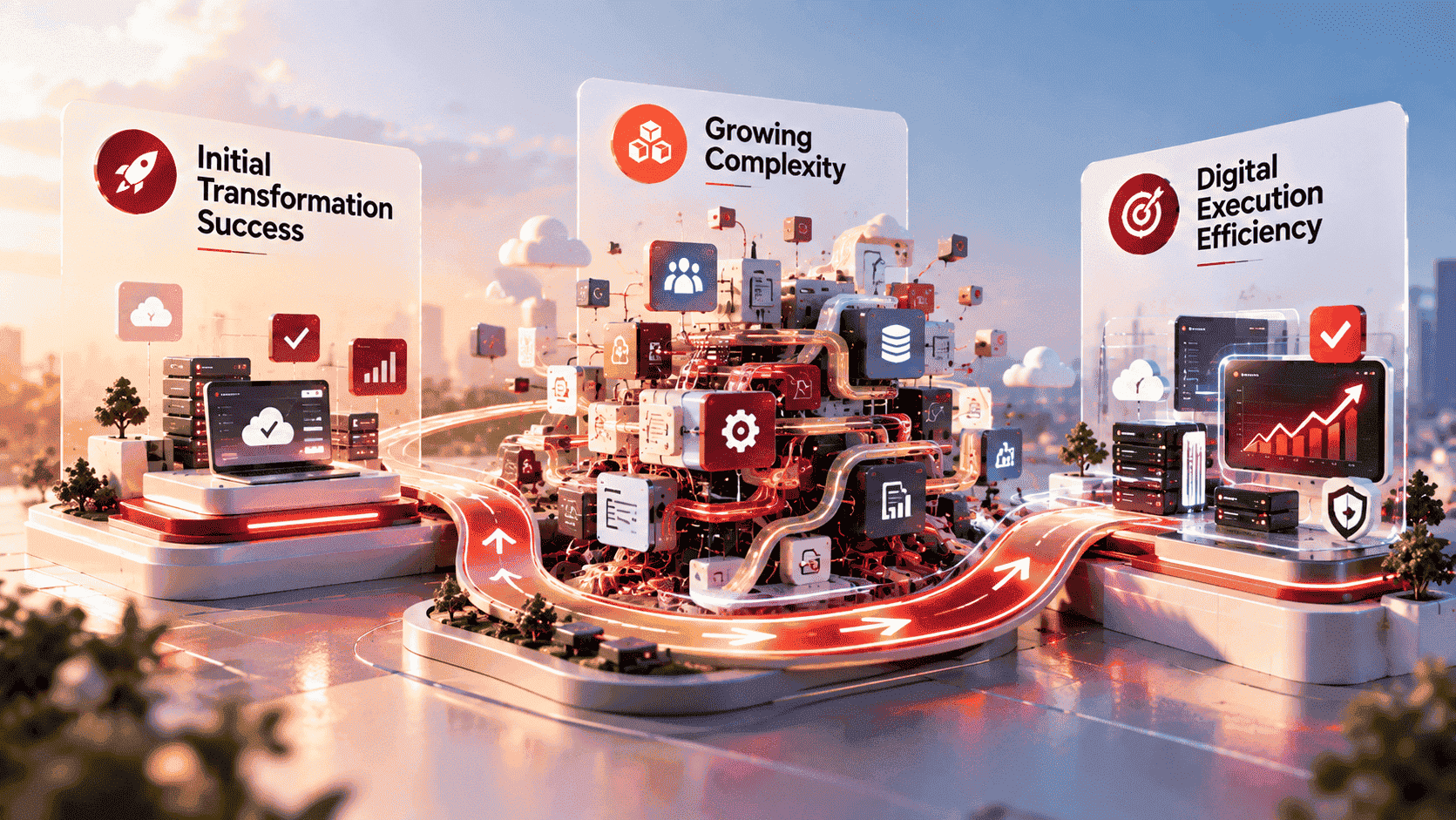











It is often assumed that technology performance is being measured effectively simply because dashboards, monthly reports, and executive scorecards are produced. Technology teams regularly review system availability, incident volumes, infrastructure utilization, and service levels, creating the impression that performance is well understood.
In reality, reporting alone does not provide meaningful insight. Organizations often collect large volumes of operational data without understanding whether technology investments are improving business outcomes or supporting strategic objectives. Leaders can see what happened yesterday but still struggle to determine why performance changed or what actions should be taken next.
This disconnect explains why measuring technology performance remains a challenge for many organizations. Effective performance measurement requires more than collecting technical metrics. It requires connecting operational performance with business value, technology investment outcomes, and continuous improvement.
Organizations that establish structured IT performance measurement practices are better positioned to make informed decisions, optimize technology investments, and improve long term business performance.
What Is Technology Performance Measurement
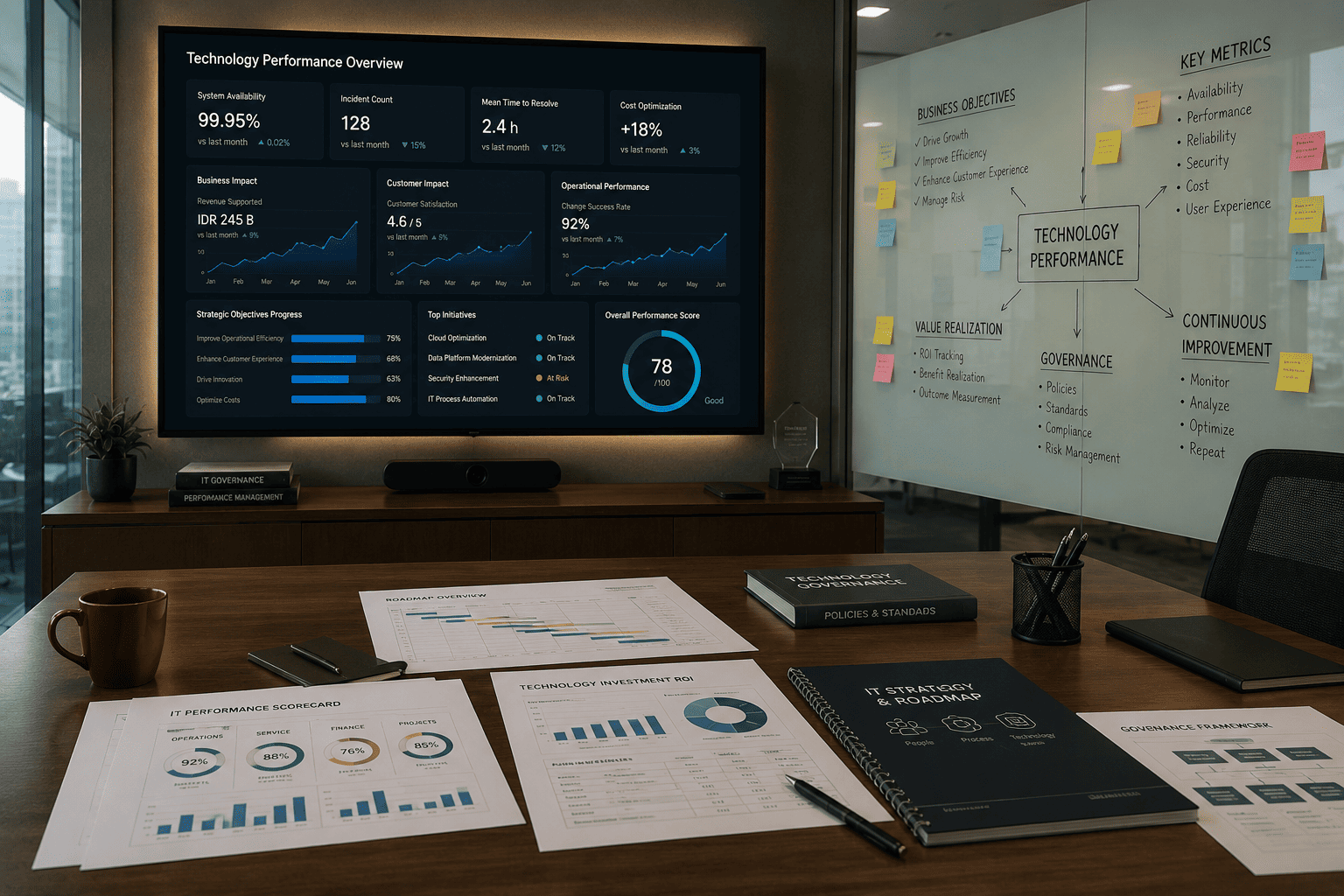
Technology performance measurement is the process of evaluating how effectively technology investments contribute to operational performance, business objectives, and strategic outcomes.
Rather than focusing only on technical indicators, effective performance measurement combines operational metrics, financial outcomes, customer impact, and organizational performance to provide a complete view of technology effectiveness.
A mature approach to digital performance management enables organizations to understand not only how technology performs, but also whether technology is delivering measurable value across the business.
Without structured measurement, organizations often rely on fragmented reports that provide operational data without meaningful business context.
Why Measuring Technology Performance Is More Difficult Than It Looks
Technology environments generate enormous amounts of operational data every day. Infrastructure platforms, applications, cloud environments, monitoring systems, and service management tools continuously produce information about system health and operational activity.
Despite this abundance of data, organizations frequently encounter challenges such as:
Fragmented reporting across multiple systems
Inconsistent definitions of performance and success
Limited alignment between technology metrics and business objectives
Manual consolidation of operational data
Without a structured measurement framework, organizations often struggle to transform operational data into actionable business insight.
The relationship between technology outcomes and organizational value is explored in Business Value of Technology Is Your IT Really Delivering, which explains why performance measurement must extend beyond technical reporting.
Common Mistakes When Measuring Technology Performance
Organizations that struggle with technology performance measurement often encounter similar challenges regardless of industry or technology platform.
1. Measuring Only Technical Performance
Technical indicators remain important, but they provide only part of the overall performance picture.
Organizations often focus primarily on:
System availability and uptime
Infrastructure utilization
Network and application performance
Incident response and resolution times
While these technology performance metrics help evaluate operational health, they do not explain whether technology is improving business performance, customer experience, or organizational productivity.
2. Separating Technology Performance from Business Outcomes
Many organizations evaluate technology and business performance independently.
Technology teams measure operational reliability while business leaders evaluate growth, profitability, and customer outcomes.
Without integrating these perspectives, organizations struggle to understand how technology contributes to strategic priorities and long term value creation.
Performance measurement becomes significantly more valuable when operational indicators are evaluated alongside measurable business outcomes.
3. Neglecting Technology ROI Tracking
Technology investments are typically supported by business cases during planning, yet ongoing technology ROI tracking often receives far less attention after implementation.
Organizations frequently experience:
Benefits that are assumed rather than verified
Continued investment in underperforming initiatives
Limited visibility into realized business outcomes
Effective performance measurement requires continuous evaluation of both operational results and investment outcomes.
The broader concept of measuring technology investment value is explored further in Measuring Technology ROI Beyond Cost Savings, which explains how organizations evaluate business impact beyond traditional financial metrics.
4. Depending on Manual Reporting
Many organizations continue to rely on spreadsheets and manually consolidated reports collected from multiple technology platforms.
This approach frequently creates:
Inconsistent reporting across departments
Delayed performance insights
Significant reporting effort
Limited scalability as technology environments grow
Automated reporting improves consistency while allowing organizations to spend more time analyzing performance rather than collecting data.
What Effective Technology Performance Measurement Looks Like
Organizations that successfully measure technology performance adopt structured approaches that combine operational visibility with business outcomes.
Successful organizations typically:
Define outcome oriented performance indicators
Integrate technical and business metrics into unified reporting
Automate data collection and reporting processes
Review performance continuously rather than periodically
Improve initiatives based on measurable evidence
This creates an environment of continuous learning, accountability, and performance improvement.
Building a Technology Performance Measurement Framework
A scalable performance framework enables organizations to evaluate technology consistently across projects, services, and business functions.
Effective frameworks typically include four core components.
1. Clear Business Objectives
Performance indicators should support measurable business goals rather than isolated operational activities.
2. Standardized Performance Metrics
Consistent definitions improve reporting quality and enable meaningful comparison across teams and technology initiatives.
3. Integrated Reporting
Combining operational, financial, and business performance data provides leaders with a more complete understanding of technology effectiveness.
4. Governance and Accountability
Organizations should establish clear ownership for reviewing performance, identifying improvement opportunities, and ensuring accountability for outcomes.
Together, these elements create a structured approach to IT business performance that supports continuous optimization.
Common Signs Your Performance Measurement Approach Needs Improvement
Organizations can often recognize weaknesses in performance measurement before they begin affecting strategic decision making.
Common indicators include:
Multiple reports showing conflicting performance results
Difficulty connecting technology investments to business outcomes
Excessive manual effort required to produce executive reports
Limited confidence in technology performance data
Repeated discussions without clear improvement actions
Recognizing these signals early allows organizations to strengthen measurement frameworks before reporting becomes a barrier to effective decision making.
Read More: Transformation Performance Management for Enterprise Digital Initiatives
Key Takeaways
Successfully measuring technology performance requires more than reporting technical metrics. Organizations must connect operational performance, technology investments, and business outcomes through structured measurement frameworks that support continuous improvement.
By integrating technology performance metrics, technology ROI tracking, governance, and business objectives, organizations gain greater visibility into how technology contributes to long term organizational success.
Organizations that continuously measure, review, and improve technology performance are better positioned to optimize investments, strengthen accountability, and support sustainable digital transformation.
Frequently Asked Questions
What is technology performance measurement
Technology performance measurement is the process of evaluating how technology investments contribute to operational efficiency, business objectives, and strategic outcomes through measurable performance indicators.
Why is measuring technology performance important
Measuring technology performance helps organizations understand whether technology investments improve business outcomes, optimize operational efficiency, and deliver long term value.
What are common mistakes in measuring technology performance
Common mistakes include focusing only on technical metrics, separating technology performance from business outcomes, neglecting technology ROI tracking, relying on manual reporting, and lacking structured governance.
Build a Performance Framework That Drives Better Decisions
Strong performance measurement creates visibility into both technology operations and business outcomes. GSCatalyst helps organizations establish integrated performance frameworks, improve technology ROI tracking, and strengthen governance to support evidence based decision making and continuous improvement.